Concrete Construction

Stamped Concrete Vs Traditional Concrete – Which Is Better?

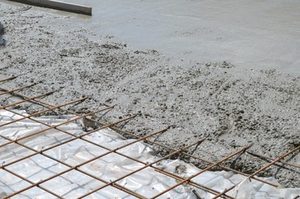
Stamped concrete is a decorative finish that imprints patterns and textures onto freshly poured concrete. It often mimics high-end materials such as brick, stone and wood.

It can be a great way to add curb appeal and value to your home. But is it better than traditional concrete? Read on to learn more about the pros and cons of each. Visit Website for more details.

Cost

While the upfront cost of stamped concrete is higher than pavers or other paving materials, it can save money in the long run by reducing maintenance and repair costs. Plus, it’s less likely to crack or develop other problems that are common in pavers and other paving options.

Concrete stamping is a great choice for homeowners who want to add the look of stone, wood or brick to patios, driveways, pool decks and other outdoor areas. However, this is not a project for the do-it-yourselfer. It requires special tools and materials to create the desired effect, and it is very difficult to get it right the first time. The best way to ensure a successful outcome is to hire a professional.

A good contractor can help you select the perfect pattern and color for your concrete project. They can also guide you through the process of pouring and stamping, and they will take care of any necessary footings and foundation work. And they will make sure the concrete dries properly so it’s strong and durable.

Stamped concrete can be colored in a wide range of colors, allowing you to achieve the look of nearly any type of material. The color is either mixed into the concrete before it’s poured, or it’s applied as a stain afterward. For the most realistic results, choose a natural-looking color such as grays or earth tones. However, you can also choose a bolder shade to make an impression.

Another advantage of stamped concrete is its slip resistance. The textured surface helps prevent slipping, but you may need to add non-skid additives to high-traffic areas. It is also important to regularly clean and reseal the concrete. This will prevent dirt, debris and de-icing salts from wearing away the sealer.

Stamped concrete is an excellent option for areas that will be used to entertain guests, such as an outdoor kitchen or grill area. It is also ideal for reducing fire hazards around combustible cooking equipment, such as a fire pit or barbecue. It is also an attractive alternative to a gravel backyard patio, and it can be stained in the same way as your house or other outdoor features.

Durability

Unlike pavers, stamped concrete is a permanent surface that will not shift or crack as the ground moves. This makes it a good choice for high-traffic areas that need to stand up to repeated use. It also resists the abrasion of car tires, which can damage pavers. The longevity of stamped concrete is another advantage over other materials, as it can last a lifetime with minimal maintenance.

Stamped concrete, also known as decorative or imprinted concrete, is a versatile construction material that can be used to create unique design features in commercial spaces. It’s more cost-effective than real stone or wood, and can be customized with a variety of colors, patterns, and textures. A stamped concrete patio, walkway or driveway can be made to mimic the look of natural stone, slate, brick, cobblestone, and even wood.

This type of concrete is typically poured as part of a new construction, but it can be installed on existing surfaces by using a stamped overlay. The overlay is a thin layer that is bonded to the top of the existing concrete with polyurethane or epoxy. The result is a durable, long-lasting surface that can be stained in any color you choose.

The most popular stamped concrete designs are natural-looking patterns that mimic the appearance of stone, slate, flagstone, brick and wood. However, the possibilities are endless. Color can be added to the concrete during the mixing process or applied afterward through a staining technique called integral coloring. In either case, the finished product will emphasize a base color that reflects the natural building materials used in the stamp pattern.

A stamped concrete patio, walkway or driveway can enhance the curb appeal of any home. It can also improve its resale value, making it a more appealing option than paving stones or other higher-end materials. The durability of stamped concrete also helps homeowners save money on repair and maintenance costs, allowing them to recoup the investment in no time.

To maintain the luster of a stamped concrete surface, it’s important to periodically wash it with mild detergents or commercial cleaning products. The surface should also be resealed every two to three years to prevent stains and weather damage. A high-quality sealer such as Butterfield Cure & Seal is recommended.

Maintenance

Stamped concrete is a popular choice for patios, driveways and pool decks because of its durability and beauty. It can also be used for walls, foundations and retaining walls. While it costs more upfront than traditional concrete, its longevity and lower maintenance costs can save money in the long run.

It can be colored to match the tone, texture and style of existing landscaping or architecture. It is also a good choice for resurfacing aging or damaged concrete. The possibilities for customization are endless, and stamped concrete can mimic the look of flagstone, slate, wood or brick with ease.

The main advantage of stamped concrete is that it is less expensive than other materials such as pavers, natural stone and tile. It also provides the same strength and durability as other materials, but with a more cost-effective solution. In addition, it can be installed quickly and easily by a professional concrete contractor.

Although stamped concrete is relatively low maintenance, it is important to keep it clean and free of stains to prevent damage and premature wear. Periodic washings with a mild detergent will help maintain the surface luster. For oil or grease stains, an alkaline degreaser can help break down the substance and eliminate it from the surface. For regular dirt, a broom or power washer can remove it.

If the concrete has been exposed to moisture, resealing is recommended. Applying a high-quality penetrating sealer, such as Sealcem WT or Sealcem DSV, will protect the concrete from weathering and staining. Sealers should be applied using a pump sprayer for even coverage or a roller to ensure maximum penetration.

While both types of concrete are suitable for many applications, it is important to consider their initial and long-term costs and maintenance requirements before making a decision. While traditional concrete has a lower initial cost, it may require more frequent repairs and replacements than stamped concrete. Additionally, its durability and appearance may not be as appealing as other materials. If you are planning a large hardscaping project, it is essential to weigh the pros and cons of each option to make the best choice for your needs and preferences.

Appearance

Stamped concrete, also known as patterned concrete, is becoming increasingly popular in modern outdoor design because it can replicate the look of natural materials like stone, brick, or cobblestone at a much lower cost. It’s a great choice for patios, pool decks, driveways, and more. It’s also durable and long-lasting, although it does require periodic sealing to prevent color fading and protect the surface from wear and tear.

Unlike standard concrete, which is typically a gray shade, stamped concrete can be stained in a wide variety of colors. This gives you more design flexibility and allows you to match your concrete with the existing style of your home. Staining can also add depth and visual interest to the concrete, making it more appealing to the eye.

To create a stamped concrete design, a special mat is used to imprint the concrete with patterns and coloring. There are many different types of stamps available, including ones that imitate the look of wood, slate, flagstone, or brick. The stamps are then carefully positioned on the concrete to create a unique pattern. The result is a beautiful and realistic-looking patio, driveway, or walkway.

Regular or traditional concrete is a no-frills mix of cement, water, and aggregate that’s used for a variety of building projects. It’s highly durable and versatile, making it a popular choice for sidewalks, driveways, and other heavy-use areas. It’s relatively inexpensive compared to other materials, such as pavers, and is easy to maintain with regular cleaning and occasional sealing.

However, traditional concrete may crack over time if it’s not properly installed or maintained. It’s also not as attractive as other paving options, and it may lose its color over time. Stamped concrete, on the other hand, offers a more appealing appearance and is easier to maintain than pavers or natural stone.

It’s important to note that although stamped concrete is more expensive than traditional concrete, it’s still less costly than paving materials like pavers and natural stone. Plus, it’s an eco-friendly option that can last a lifetime when properly maintained. If you’re on a budget, consider asking your contractor about discounts or financing options.
Gutter Services

How Weather Affects Your Gutters and What You Can Do About It

https://www.gutterscoloradospringspro.com/

Gutters may seem like a minor detail, but they play an essential role in your home’s health. They direct rainwater away from the foundation of your house, preventing structural issues and costly repairs.

Severe weather can wreak havoc on gutters, causing problems like clogs and flooding. Keeping up with regular maintenance can help avoid these issues. Visit https://www.gutterscoloradospringspro.com/ for more information.

Winter

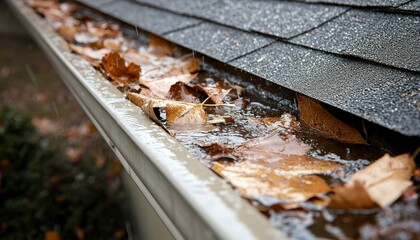
Gutters serve an essential role of diverting water away from your home’s foundation, siding, and landscaping. Yet, clogged gutters can lead to costly water damage if not addressed right away. A well-maintained gutter system is designed to direct melting snow and rainwater into the downspouts and away from your house. If your gutters are clogged with leaves, twigs, debris, or ice, they won’t be able to function properly.

Gutter clogs may also be a breeding ground for weeds and other plants, which can then spread throughout the yard and garden. They also allow birds, squirrels, and other critters to nest, adding additional weight to the gutters and reducing their structural strength. Over time, this can pull the gutters away from the fascia and cause them to bend or collapse, requiring expensive repairs or replacement.

In addition, clogged gutters can cause water to overflow. This can back up into the attic, causing mold growth and affecting your home’s insulation. It can also leak into the walls and ceilings, causing moisture damage and potentially affecting your health and quality of life.

Fortunately, regular gutter cleaning and inspections can reduce the risk of winter problems. It is recommended that you have your gutters cleaned twice a year, in fall and spring. Investing in a gutter protection system can also help reduce the amount of maintenance required, as this system helps prevent clogs from occurring in the first place.

One of the most common signs that your gutters are in need of attention is when they overflow during a rainstorm. This can indicate they’re clogged, sagging under too much weight, or angled incorrectly. When this occurs, water isn’t redirected to the downspouts and away from the home, instead pooling around the foundation. Over time, this can crack the foundation, leak into the basement, and erode the soil surrounding your foundation.

Other warning signs to watch out for include rust, loose fasteners, and leaks. If these issues are not repaired or replaced, they can worsen during the winter and become a serious problem for your gutters and home’s foundation.

Spring

Rainfall is a normal part of the springtime weather cycle, but it can wreak havoc on your home’s gutter system if it’s not properly maintained. Gutter leaks can become more noticeable in the spring, since the heavy rainfall may test the integrity of your gutters and reveal any cracks or holes.

The sudden thaw of snowmelt can also cause clogged gutters, as the melting debris is pushed toward downspouts. Without proper maintenance, this can lead to overflowing, standing water that creates ideal breeding grounds for mosquitoes and other pests. Standing moisture can also encourage mold and mildew growth around the home.

Gutters that are clogged or loose can shift or fall off the house, which not only looks unsightly but can cause structural damage to your home and yard. If your gutters are rusty or have sagging sections, it’s time to invest in a new gutter system with a more durable material like ONE Gutter Guard(tm) that can withstand heavy rainfalls.

Whether it’s caused by snowmelt or shifting gutters, a sagging or overflowing system is a sign that you need to replace your gutters. A reputable gutter service provider can help you determine what type of gutters are best for your home based on the average rainfall in your area, so that your gutters can effectively channel rainwater away from your foundation, driveway and landscaping.

Gutters help keep your home safe and sound by directing water away from your foundation, helping prevent soil erosion and protecting your driveway, walkways and landscaping. Gutter systems can also reduce the amount of water that seeps into basements, preventing floods and lowering the risk of mold and mildew.

Gutter damage can be expensive and dangerous for homeowners, but regular gutter cleanings can help keep your gutters in good shape all year round. In addition, choosing a high-quality gutter system, such as ONE Gutter Guard(tm), can help to extend the lifespan of your gutters and protect your property from costly repairs in the future. Contact a reputable local gutter service provider to schedule an inspection today. Investing in your gutters now will ensure that they function correctly all year round and maintain their curb appeal.

Summer

While winter frost and fall leaves are often the first things that come to mind when thinking about gutter damage, summer heat can also take its toll. Excessive heat can cause several problems for your gutters, including thermal expansion and contraction and clogs. It can also lead to material degradation and weakening, especially in metal gutters. Regular inspections and maintenance can help you identify and address these issues before they become more serious.

Thermal expansion and contraction cause the materials in your gutters to expand and shrink, which can strain them. This can result in visible cracks and holes, as well as loosening of fasteners or even the removal of sections of your gutters. If you have aluminum gutters, thermal expansion and contraction can also corrode them.

Heavy rains and excessive heat can also cause your gutters to clog, which can lead to water backup, roof leaks, or ruined landscapes. Gutters that cannot properly channel water away from your home can overflow and erode the soil around your foundation, which may result in structural damage.

Regular gutter cleaning and maintenance are important throughout the year, but it is especially essential in the summer. Heavy rainfalls can carry leaves, twigs, and other debris into your gutters, resulting in blockages that hinder water flow. This can cause overflows or even back up into your house, which can lead to serious problems like flooding and mold growth.

In addition, sunlight can cause the paint on your gutters to fade, chip, or crack. This can reduce the lifespan of your gutters, but it is a common problem that can be easily mitigated by using gutter covers or choosing gutters made from UV-resistant materials.

It is also a good idea to inspect your gutters after every major storm and regularly check for signs of wear and tear, including the appearance of cracks or dents. If you notice any problems, make sure to repair them immediately before they worsen. Also, make sure to get your gutters anchored in place, especially if you have metal gutters, to ensure they will not sag or pull away from your home during heavy rainfalls.

Fall

Gutters are a vital part of your home’s defense system, quietly channeling rainwater and melting snow away from the roof, exterior walls, foundation, and landscaping. When your gutters are functioning properly, they prevent water damage and other expensive problems. Unfortunately, severe weather can wreak havoc on your gutters, creating clogs, leaks, and structural issues. This is why it’s important to regularly maintain your gutter system.

While most homeowners think of storms as the most dangerous for their gutters, strong winds can also wreak havoc. If your gutters aren’t firmly attached to the fascia board, heavy winds can dislodge them or pull them away from the house, leaving them vulnerable to water and debris. Gutter guards can help protect your gutters from wind damage and extend their lifespan.

When leaves and debris build up in your gutters, they can cause clogs. Over time, this can lead to overflowing gutters and moisture damage. If the clogs get worse, they can lead to roof leaks, mold, wood rot, and structural problems in your home.

In colder climates, clogged gutters can contribute to the formation of ice dams. Ice dams form when water in the gutter freezes and then re-freezes, blocking the gutter from draining. The trapped water can seep under the shingles and into your home, leading to leaks and expensive repairs.

Clogged gutters can also add extra weight to your home, causing it to sag or pull away from the roofline. This can cause the gutters to hang off of the side of your home and create tripping hazards. It’s essential to clean your gutters before winter arrives.

Gutter cleaning isn’t anyone’s favorite chore, but it’s essential for protecting your gutters from clogs and water damage. Fortunately, there are solutions that make the task much easier and faster. Many homeowners choose to install gutter guards, which act as a protective barrier over your gutters and block solid debris from entering the gutter system. This helps reduce the need for manual cleaning and improves year-round water flow, reducing your maintenance workload and saving you money in the long run.

Visit our Professional Services Blogs

Portland Metro Plumbers, Provantage Handyman, Santa Ana Flooring, Plumbing Heating Cooling New Jersey, Riverside Stump Grinding, Painter In Hanover, My Restoration Directory, Miami Dade Restoration Services, Update Construction, Campanelli Construction, Cruz Construction And Restoration , Airconditioning Round Rock, Air Dynamics Airconditioning And Heating, Gands Airconditioning And Heating, Windward Building Company LLC, Airconditioning Repairs Bocaraton, Laguna Airconditioning, Roofing 719, 3 Phase Construction NJ, Broadway Building Contractors, UIS Concrete And Demo, Austin Plumbers Near Me, Richmond Gutter Cleaning Company, Weather Defense Roofing Weather Proof Roofing, Ray Allen Plumbing, Raleigh Pressure Washing Painting , Fairfield County Septic, Carlson Craft Cabinets, Helping Hand Home Improvement, Delco Home InspectorWindow Cleaning Stafford