Cabinet Refinishing

How Long Does Cabinet Refinishing Take?

Cabinet refinishing

San Jose Cabinet Refinishing is a great way to update your kitchen. It can erase scratches, dings, and blemishes for a refreshed look.

Disassembly, cleaning, and sanding take 4-6 hours each. Applying primer and multiple coats of paint requires 2-4 hours per coat with a 24-hour drying period in between.

Prep Work

Refinishing or refacing your cabinets is an excellent way to transform the look of your kitchen without the cost and disruption of a full remodel. Both processes require a blend of skill, precision, and time management. Understanding how much time to expect for your project will help you plan better and minimize any disruptions to your daily routine.

A major consideration for any cabinet refinishing project is the prep work. The surfaces will need to be deep-cleaned to remove oils and dirt, and minor cracks or scratches may need to be repaired before the finish is applied. The surface is then sanded to create a smooth, even finish that is ready for the new coating. The sanding process itself can take anywhere from 15 to 40 minutes, and this time can vary depending on the color of the wood and whether stain is being used.

Once the surfaces are sanded and cleaned, they are primed to prepare them for the new finish. The amount of primer needed depends on whether you’re refinishing in a light or dark finish. A light finish will typically need only one coat of primer, but a darker finish may need multiple to ensure an even, long-lasting result. Once the primer has dried, you’re ready to start applying your new cabinet paint.

Staining your cabinetry is another great option for those wanting to make a dramatic color change, while also embracing the natural features that stains can enhance. This finish is also a greener alternative to replacing your existing cabinets, and it will usually recoup around 70-85% of the cost at resale.

Sanding

Cabinet refinishing is a great way to give new life to existing cabinets. It’s less invasive than full replacement, and it reduces your downtime by allowing you to stay in your kitchen while the work is being done. It is still time-consuming, however, as refinishing includes stripping and sanding the cabinets before staining or painting them. This can take 4-7 days, and the process requires a lot of dry time in between coats.

If you are looking to make a dramatic change, refinishing is the best choice for you. Staining your cabinets allows you to choose from a wide range of colors, from light washes to deep cherry wood. Paint is another option and can be used to create any style you like, from sleek modern to traditional country.

Both options will transform the look of your kitchen, but it’s important to consider your budget and design goals before deciding what route to take. Cabinet refacing is a more expensive option, but it can provide a more comprehensive upgrade that addresses issues like dated styles or inconvenient layouts.

Repairs

Cabinet refinishing isn’t as simple as painting over existing paint. It requires careful stripping and sanding, and the right tools to get a smooth, durable finish. Skipping or rushing this prep work can lead to uneven surfaces, chipping, or poor adhesion.

During this time, it’s important to be mindful of the environment and other people living in your home. This will minimize dust and mess and allow you to avoid disrupting your daily routine.

Before starting, it’s essential to thoroughly clean all surfaces with a strong degreaser like trisodium phosphate (TSP). Many cabinets have built-up grease and grime that can prevent paint from adhering properly. It’s also a good idea to use a primer specifically made for cabinets, which provides a smooth base, improves adhesion, and blocks stains from wood tannins or old finishes.

Once the surfaces are prepared, it’s time to start painting. Using the right sprayer, at the right pressure and distance from the surface, is key to getting a smooth, even coat that will last. It’s also important to apply thin coats, as thick ones can result in drips and an uneven surface.

Depending on your desired color and design, you may need to apply several coats to get the look you want. Be sure to let each coat dry before applying the next, to avoid sagging or peeling. In addition, it’s important to use the best paint possible. Acrylic-latex paint is durable and easy to clean, while oil-based paints are more resistant to fading. For a hybrid option, try water-based urethane, which offers the durability of oil-based paint with the ease of cleanup of latex. Both are available in a wide range of colors to fit your style.

Coating

Cabinet refinishing is a great option for homeowners looking to change the color or finish of their cabinets. It is especially effective for older wood cabinets that have begun to show wear and tear. Refinishing can be labor-intensive and take days or weeks to complete, but it is much quicker than a full kitchen remodel or buying new cabinets.

One of the biggest advantages of refinishing is that it’s typically 30-50% less expensive than replacing your cabinets entirely. This allows homeowners to invest in other areas of their kitchen, like a new backsplash, countertop, or flooring.

Refinishing is also a versatile option that gives you the freedom to choose from an endless array of colors and finishes. You can achieve everything from a sleek, modern look with paint to a rustic or traditional feel that replicates a natural wood appearance. There are even unique effects like distressed and antiqued paints that can add a touch of personality to your kitchen.

The final step in the refinishing process is applying a protective sealant to the surface of your cabinets. This helps to block moisture, stains, and scratches and prolongs the life of your cabinets. Depending on the type of sealant, you may need multiple coats to achieve the desired effect. Each coat needs to dry completely before the next can be applied.

While it is possible to paint your cabinets yourself, a professional application will ensure an even coat and an attractive finish that lasts longer than at-home applications. This process usually takes 3-7 days, and your kitchen will be a work zone for most of that time. Drying times can add a few extra days before your cabinets are ready for use.

Curing

The curing process is a vital step in food preservation that helps to maintain a safe, stable product. Curing is used in a variety of applications, from meat production to manufacturing dental aligners and hearing aids. To ensure the safety of products, manufacturers must follow a series of steps and record all critical control points (CCPs). CCPs are important to identify potential hazards in the processing of food and determine whether additional preventative measures are needed.

Kitchen cabinet refacing is a cost-effective way to upgrade your kitchen without the expense and downtime of a full renovation. It is a highly precise process that requires a blend of expertise and precision to deliver beautiful results. While this transformation can take less time than a full remodel, it still requires a significant amount of time to complete.

Factors that can affect the duration of your project include:

Prepping the work area: This includes clearing the workspace and cleaning any dust or debris. Creating a clean work environment is important for both efficient and high-quality work.

Sanding: Depending on the wood type, this can be a labor-intensive process. A power sander can speed up the process, but it is still necessary to hand-sand delicate areas like raised trim and carvings.

Applying multiple coats: A quality finish takes time to apply. Many projects require several coats to achieve the desired result. Each coat must dry completely before the next can be applied. This may take up to 24 hours.

Primer: A primer can help the paint last longer and block stains or wood grain. It also provides a smoother surface for the topcoat. Many homeowners skip this step, but it is crucial to the longevity of your kitchen cabinets.
Pest Control

Pest Control Compliance and Safety Standards Explained

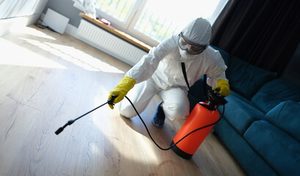
Pest control plays a critical role in protecting public health, property, and overall quality of life. Whether addressing insects, rodents, or other unwanted intruders, pest control activities must be carried out responsibly and safely. This is where pest control compliance and safety standards come into focus. These standards exist to ensure that pest management practices are effective, environmentally responsible, and safe for occupants, workers, and surrounding ecosystems. Understanding these regulations helps property owners, businesses, and service providers maintain safe environments while avoiding unnecessary risks. Find out more at https://www.benspest.biz/.

pests

What Is Pest Control Compliance?

Pest control compliance refers to the adherence to established rules, guidelines, and best practices governing pest management activities. These standards are designed to regulate how pest control methods are applied, how products are handled, and how risks are minimized. Compliance ensures that pest control efforts meet safety expectations while delivering reliable results.

At its core, compliance is about accountability. It ensures that pest control practices protect people, pets, and structures without causing unintended harm. Proper compliance also promotes ethical practices, preventing misuse or overapplication of pest control solutions.

Why Safety Standards Matter in Pest Control

Safety standards in pest control exist to reduce potential hazards associated with pest management activities. Pest control often involves the use of substances, equipment, and techniques that require careful handling. Without proper safeguards, these activities can pose risks to human health, indoor air quality, and the environment.

Safety standards help prevent accidents, contamination, and long-term exposure risks. They also provide clear protocols for emergency situations, ensuring that any incidents are handled quickly and effectively. By following safety standards, pest control operations maintain public trust and long-term effectiveness.

Protecting Human Health Through Compliance

One of the primary goals of pest control safety standards is the protection of human health. Improper pest control practices can lead to exposure through skin contact, inhalation, or ingestion. Compliance measures ensure that pest control methods are applied in controlled amounts and appropriate locations.

Standards also focus on protecting vulnerable populations, such as children, elderly individuals, and those with sensitivities. Clear guidelines for application timing, ventilation, and reentry help reduce health risks and ensure safe living or working conditions.

Environmental Responsibility in Pest Control

Environmental protection is a key component of pest control compliance. Safety standards promote responsible use of pest control methods to prevent soil, water, and air contamination. Overuse or improper disposal can disrupt ecosystems and harm beneficial organisms.

Compliance encourages the adoption of targeted approaches that focus on the specific pest problem rather than broad applications. This reduces environmental impact while maintaining effective control. Sustainable pest management practices are increasingly emphasized as part of modern safety standards.

The Role of Integrated Pest Management

Integrated pest management is a widely recognized framework that aligns closely with compliance and safety standards. This approach emphasizes prevention, monitoring, and targeted control methods rather than reliance on reactive treatments.

By identifying pest activity early and addressing contributing factors such as sanitation and structural issues, integrated pest management reduces the need for aggressive interventions. This approach supports compliance goals by prioritizing safety, efficiency, and long-term prevention.

Training and Certification Requirements

Training is a foundational element of pest control compliance. Safety standards typically require individuals performing pest control tasks to have proper education and ongoing training. This ensures they understand correct application techniques, safety protocols, and emergency procedures.

Well-trained professionals are better equipped to assess risks, choose appropriate methods, and apply treatments safely. Continuous learning also helps keep pest control practices aligned with evolving standards and technological advancements.

Safe Handling and Storage Practices

Proper handling and storage of pest control materials are essential for maintaining safety. Compliance standards outline specific requirements for labeling, storage conditions, and transport. These measures help prevent accidental exposure, spills, and misuse.

Safe storage practices protect occupants and workers while preserving the effectiveness of pest control materials. Clear labeling ensures that products are used as intended and not confused with household items or other substances.

Application Guidelines and Risk Reduction

Safety standards provide clear guidelines for how and where pest control methods should be applied. These guidelines help minimize exposure and prevent contamination of food preparation areas, water sources, and living spaces.

Risk reduction strategies include using the lowest effective amount, applying treatments during low-occupancy periods, and ensuring proper ventilation. These measures help maintain a balance between effective pest control and occupant safety.

Compliance in Residential Settings

In residential environments, pest control compliance focuses on protecting families, pets, and property. Safety standards emphasize clear communication, proper preparation, and post-treatment precautions. Homeowners benefit from understanding these standards to ensure treatments are conducted responsibly.

Compliance also involves educating residents about preventive measures. Reducing clutter, managing moisture, and sealing entry points support pest control efforts while minimizing the need for repeated treatments.

Compliance in Commercial and Shared Spaces

Commercial properties and shared spaces require heightened attention to pest control compliance due to higher occupancy levels and diverse usage. Safety standards help ensure that pest control activities do not disrupt operations or pose risks to occupants.

In these environments, documentation and monitoring play a significant role. Clear records of inspections, treatments, and follow-up actions demonstrate compliance and support ongoing safety efforts.

Documentation and Record-Keeping

Accurate documentation is an essential component of pest control compliance. Safety standards often require records detailing inspections, identified pest activity, applied methods, and outcomes. These records provide transparency and accountability.

Documentation helps track recurring issues, evaluate effectiveness, and identify areas for improvement. It also supports informed decision-making and continuous compliance with safety expectations.

Emergency Preparedness and Response

Safety standards include protocols for handling emergencies such as accidental exposure, spills, or unexpected reactions. These protocols ensure that incidents are managed quickly to minimize harm.

Emergency preparedness involves clear communication, access to protective equipment, and established response procedures. Compliance with these standards helps maintain safety even in unforeseen situations.

Reducing Liability Through Compliance

Adhering to pest control safety standards helps reduce liability risks for property owners and service providers. Compliance demonstrates a commitment to responsible practices and due diligence. In the event of concerns or disputes, documented compliance provides a clear record of appropriate action.

Reducing liability also supports long-term operational stability. Safe and compliant pest control practices protect reputations and foster trust among occupants and stakeholders.

The Role of Inspections and Monitoring

Regular inspections and monitoring are essential for maintaining compliance. Safety standards encourage routine assessments to identify pest activity early and evaluate existing control measures. Early detection reduces the need for intensive interventions.

Ongoing monitoring ensures that pest control strategies remain effective and aligned with safety guidelines. It also supports proactive adjustments as conditions change.

Balancing Effectiveness and Safety

Effective pest control does not require compromising safety. Compliance standards are designed to balance results with responsible practices. By focusing on targeted methods, prevention, and education, pest control efforts achieve lasting outcomes without unnecessary risks.

This balanced approach supports healthier indoor environments and reduces long-term costs associated with repeated infestations or damage.

The Importance of Public Awareness

Public awareness plays a key role in pest control compliance. When property owners and occupants understand safety standards, they are better prepared to support compliant practices. Awareness encourages cooperation and shared responsibility.

Educated occupants are more likely to follow preparation and post-treatment guidelines, improving overall effectiveness and safety.

Evolving Standards in Pest Control

Pest control safety standards continue to evolve as new research, technologies, and environmental considerations emerge. Compliance requires staying informed and adapting practices accordingly. This evolution reflects a growing emphasis on sustainability and reduced risk.

Adapting to updated standards ensures that pest control remains effective, safe, and aligned with modern expectations.

Long-Term Benefits of Compliance

Compliance with pest control safety standards delivers long-term benefits for health, property, and peace of mind. Safe practices reduce exposure risks, prevent damage, and support sustainable pest management strategies.

Consistent compliance also improves efficiency, as preventive measures reduce the likelihood of severe infestations. Over time, this proactive approach leads to better outcomes and fewer disruptions.

Pest control compliance and safety standards exist to protect people, property, and the environment. They provide a structured framework for managing pests responsibly while minimizing risks. Understanding these standards empowers property owners and occupants to make informed decisions and support safe pest control practices.

By prioritizing compliance, pest control efforts become more effective, sustainable, and trustworthy. A commitment to safety and responsible management ensures long-term protection and healthier living and working environments.

Gutter Services

How Weather Affects Your Gutters and What You Can Do About It

https://www.gutterscoloradospringspro.com/

Gutters may seem like a minor detail, but they play an essential role in your home’s health. They direct rainwater away from the foundation of your house, preventing structural issues and costly repairs.

Severe weather can wreak havoc on gutters, causing problems like clogs and flooding. Keeping up with regular maintenance can help avoid these issues. Visit https://www.gutterscoloradospringspro.com/ for more information.

Winter

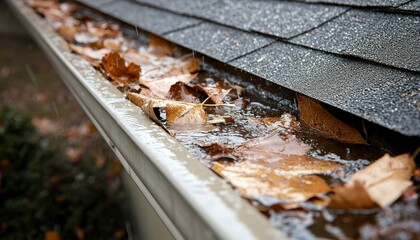
Gutters serve an essential role of diverting water away from your home’s foundation, siding, and landscaping. Yet, clogged gutters can lead to costly water damage if not addressed right away. A well-maintained gutter system is designed to direct melting snow and rainwater into the downspouts and away from your house. If your gutters are clogged with leaves, twigs, debris, or ice, they won’t be able to function properly.

Gutter clogs may also be a breeding ground for weeds and other plants, which can then spread throughout the yard and garden. They also allow birds, squirrels, and other critters to nest, adding additional weight to the gutters and reducing their structural strength. Over time, this can pull the gutters away from the fascia and cause them to bend or collapse, requiring expensive repairs or replacement.

In addition, clogged gutters can cause water to overflow. This can back up into the attic, causing mold growth and affecting your home’s insulation. It can also leak into the walls and ceilings, causing moisture damage and potentially affecting your health and quality of life.

Fortunately, regular gutter cleaning and inspections can reduce the risk of winter problems. It is recommended that you have your gutters cleaned twice a year, in fall and spring. Investing in a gutter protection system can also help reduce the amount of maintenance required, as this system helps prevent clogs from occurring in the first place.

One of the most common signs that your gutters are in need of attention is when they overflow during a rainstorm. This can indicate they’re clogged, sagging under too much weight, or angled incorrectly. When this occurs, water isn’t redirected to the downspouts and away from the home, instead pooling around the foundation. Over time, this can crack the foundation, leak into the basement, and erode the soil surrounding your foundation.

Other warning signs to watch out for include rust, loose fasteners, and leaks. If these issues are not repaired or replaced, they can worsen during the winter and become a serious problem for your gutters and home’s foundation.

Spring

Rainfall is a normal part of the springtime weather cycle, but it can wreak havoc on your home’s gutter system if it’s not properly maintained. Gutter leaks can become more noticeable in the spring, since the heavy rainfall may test the integrity of your gutters and reveal any cracks or holes.

The sudden thaw of snowmelt can also cause clogged gutters, as the melting debris is pushed toward downspouts. Without proper maintenance, this can lead to overflowing, standing water that creates ideal breeding grounds for mosquitoes and other pests. Standing moisture can also encourage mold and mildew growth around the home.

Gutters that are clogged or loose can shift or fall off the house, which not only looks unsightly but can cause structural damage to your home and yard. If your gutters are rusty or have sagging sections, it’s time to invest in a new gutter system with a more durable material like ONE Gutter Guard(tm) that can withstand heavy rainfalls.

Whether it’s caused by snowmelt or shifting gutters, a sagging or overflowing system is a sign that you need to replace your gutters. A reputable gutter service provider can help you determine what type of gutters are best for your home based on the average rainfall in your area, so that your gutters can effectively channel rainwater away from your foundation, driveway and landscaping.

Gutters help keep your home safe and sound by directing water away from your foundation, helping prevent soil erosion and protecting your driveway, walkways and landscaping. Gutter systems can also reduce the amount of water that seeps into basements, preventing floods and lowering the risk of mold and mildew.

Gutter damage can be expensive and dangerous for homeowners, but regular gutter cleanings can help keep your gutters in good shape all year round. In addition, choosing a high-quality gutter system, such as ONE Gutter Guard(tm), can help to extend the lifespan of your gutters and protect your property from costly repairs in the future. Contact a reputable local gutter service provider to schedule an inspection today. Investing in your gutters now will ensure that they function correctly all year round and maintain their curb appeal.

Summer

While winter frost and fall leaves are often the first things that come to mind when thinking about gutter damage, summer heat can also take its toll. Excessive heat can cause several problems for your gutters, including thermal expansion and contraction and clogs. It can also lead to material degradation and weakening, especially in metal gutters. Regular inspections and maintenance can help you identify and address these issues before they become more serious.

Thermal expansion and contraction cause the materials in your gutters to expand and shrink, which can strain them. This can result in visible cracks and holes, as well as loosening of fasteners or even the removal of sections of your gutters. If you have aluminum gutters, thermal expansion and contraction can also corrode them.

Heavy rains and excessive heat can also cause your gutters to clog, which can lead to water backup, roof leaks, or ruined landscapes. Gutters that cannot properly channel water away from your home can overflow and erode the soil around your foundation, which may result in structural damage.

Regular gutter cleaning and maintenance are important throughout the year, but it is especially essential in the summer. Heavy rainfalls can carry leaves, twigs, and other debris into your gutters, resulting in blockages that hinder water flow. This can cause overflows or even back up into your house, which can lead to serious problems like flooding and mold growth.

In addition, sunlight can cause the paint on your gutters to fade, chip, or crack. This can reduce the lifespan of your gutters, but it is a common problem that can be easily mitigated by using gutter covers or choosing gutters made from UV-resistant materials.

It is also a good idea to inspect your gutters after every major storm and regularly check for signs of wear and tear, including the appearance of cracks or dents. If you notice any problems, make sure to repair them immediately before they worsen. Also, make sure to get your gutters anchored in place, especially if you have metal gutters, to ensure they will not sag or pull away from your home during heavy rainfalls.

Fall

Gutters are a vital part of your home’s defense system, quietly channeling rainwater and melting snow away from the roof, exterior walls, foundation, and landscaping. When your gutters are functioning properly, they prevent water damage and other expensive problems. Unfortunately, severe weather can wreak havoc on your gutters, creating clogs, leaks, and structural issues. This is why it’s important to regularly maintain your gutter system.

While most homeowners think of storms as the most dangerous for their gutters, strong winds can also wreak havoc. If your gutters aren’t firmly attached to the fascia board, heavy winds can dislodge them or pull them away from the house, leaving them vulnerable to water and debris. Gutter guards can help protect your gutters from wind damage and extend their lifespan.

When leaves and debris build up in your gutters, they can cause clogs. Over time, this can lead to overflowing gutters and moisture damage. If the clogs get worse, they can lead to roof leaks, mold, wood rot, and structural problems in your home.

In colder climates, clogged gutters can contribute to the formation of ice dams. Ice dams form when water in the gutter freezes and then re-freezes, blocking the gutter from draining. The trapped water can seep under the shingles and into your home, leading to leaks and expensive repairs.

Clogged gutters can also add extra weight to your home, causing it to sag or pull away from the roofline. This can cause the gutters to hang off of the side of your home and create tripping hazards. It’s essential to clean your gutters before winter arrives.

Gutter cleaning isn’t anyone’s favorite chore, but it’s essential for protecting your gutters from clogs and water damage. Fortunately, there are solutions that make the task much easier and faster. Many homeowners choose to install gutter guards, which act as a protective barrier over your gutters and block solid debris from entering the gutter system. This helps reduce the need for manual cleaning and improves year-round water flow, reducing your maintenance workload and saving you money in the long run.

Visit our Professional Services Blogs

Portland Metro Plumbers, Provantage Handyman, Santa Ana Flooring, Plumbing Heating Cooling New Jersey, Riverside Stump Grinding, Painter In Hanover, My Restoration Directory, Miami Dade Restoration Services, Update Construction, Campanelli Construction, Cruz Construction And Restoration , Airconditioning Round Rock, Air Dynamics Airconditioning And Heating, Gands Airconditioning And Heating, Windward Building Company LLC, Airconditioning Repairs Bocaraton, Laguna Airconditioning, Roofing 719, 3 Phase Construction NJ, Broadway Building Contractors, UIS Concrete And Demo, Austin Plumbers Near Me, Richmond Gutter Cleaning Company, Weather Defense Roofing Weather Proof Roofing, Ray Allen Plumbing, Raleigh Pressure Washing Painting , Fairfield County Septic, Carlson Craft Cabinets, Helping Hand Home Improvement, Delco Home InspectorWindow Cleaning Stafford 

Gutter Services

Expert Gutter Replacement and Upgrading Services for Improved Property Safety

Gutters are one of the most important components of any property’s exterior system, yet they are often overlooked until problems arise. Their primary role is to collect and redirect rainwater away from the structure to prevent soil erosion, foundation damage, mold growth, and deterioration of exterior surfaces. When gutters begin to fail—whether from age, corrosion, sagging, or frequent clogging—replacing or upgrading them becomes essential to maintaining property safety.

Expert gutter replacement and upgrading services offer property owners the opportunity to reinforce their homes or businesses with more durable, efficient, and long-lasting drainage solutions. By investing in an upgraded system, property owners can significantly reduce the risks associated with water damage and enhance overall structural integrity. Talk with a professional for your Gutter Installation Gainesville FL needs.

gutter

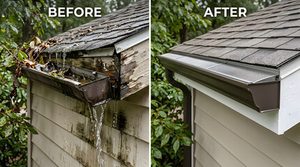
Expert gutter replacement services begin with a thorough assessment of the existing system. Over time, gutters experience wear and tear due to exposure to harsh weather conditions, heavy rainfall, debris accumulation, and natural aging. Common indicators of gutter deterioration include persistent leaks, visible cracks, sagging sections, rust formation, and water overflowing during storms. Ignoring these warning signs can lead to severe consequences such as foundation cracks, roof damage, basement flooding, and landscape erosion. Professional gutter replacement services address these issues by removing faulty components and installing new systems that improve water management and increase protection.

Upgrading gutter systems is particularly important for older properties that may have outdated or inefficient designs. Traditional gutters may not be equipped to handle heavy rainfall or changing climate patterns, leading to frequent backups or overflows. Modern gutter systems available through expert upgrading services offer enhanced durability, better water flow, and improved resistance to corrosion. These upgrades can help property owners keep pace with evolving environmental demands and ensure long-term safety. Investing in a more efficient system not only protects the property but also adds to its value and curb appeal.

One of the primary benefits of gutter replacement and upgrading services is the opportunity to choose materials that offer superior performance. Property owners can select from a variety of materials based on their budget, style preferences, and long-term maintenance goals. Options typically include aluminum, vinyl, stainless steel, copper, and galvanized steel. Each material has unique advantages in terms of durability, appearance, and weather resistance. For instance, aluminum gutters are lightweight and resistant to corrosion, making them ideal for long-term use. Copper gutters provide exceptional longevity and aesthetic value, while vinyl gutters offer affordability and easy installation. Working with expert technicians ensures property owners receive professional guidance when selecting the best material for their specific needs.

Beyond material choices, expert gutter upgrading services also provide access to advanced gutter designs that improve functionality. Seamless gutters, for example, have become a popular choice due to their ability to minimize leaks. Traditional gutters are assembled in sections, which creates multiple joints that can weaken over time. Seamless gutters, however, are custom-fabricated to fit the exact length of the roofline with fewer joints, resulting in a stronger and more reliable system. This upgraded design significantly reduces the risk of leaks and provides a cleaner, more polished appearance on the exterior of the home.

Another important enhancement offered through gutter upgrading services is the installation of gutter guards. These protective coverings prevent leaves, twigs, dirt, and other debris from accumulating inside the gutter channels. Gutter guards help maintain consistent water flow, reduce the need for frequent cleaning, and minimize the risk of clogs that can lead to overflow. Property owners who install gutter guards as part of an upgraded system enjoy increased convenience, reduced maintenance costs, and improved long-term gutter performance.

Expert gutter replacement services also focus on proper installation techniques to ensure optimal safety and performance. Even the highest-quality gutter system will fail if not installed correctly. Professional technicians have the experience, tools, and knowledge required to measure, cut, secure, and seal gutter sections with precision. They understand the correct pitch for efficient water flow, the proper spacing for hangers, and the best placement for downspouts to prevent water accumulation near the foundation. This level of expertise ensures that the upgraded gutter system functions exactly as intended and provides maximum protection against water damage.

Replacing and upgrading gutters offers numerous benefits that contribute to improved property safety. One of the most significant advantages is enhanced foundation protection. When gutters fail, rainwater can pool around the base of the property, weakening the soil and causing foundation shifting or cracking. A properly installed and upgraded gutter system directs water away from the structure, preserving foundation stability. This is especially important for businesses where foundation issues could disrupt operations or require costly restoration work.

Roof protection is another area that greatly benefits from expert gutter replacement services. When old or clogged gutters prevent water from draining correctly, it can back up under roofing materials and cause them to deteriorate. Over time, this can lead to roof leaks, rot, and mold growth. Upgraded gutters with improved water flow capabilities help prevent such issues by ensuring water is efficiently channeled away from the roof and into the drainage system. This protective measure extends the lifespan of the roofing system and reduces the likelihood of costly repairs.

Expert gutter replacement and upgrading services also enhance exterior wall protection. Without proper drainage, water flowing down the sides of a building can stain walls, damage paint, and weaken structural components. Excess moisture can seep into cracks or gaps, creating conditions for mold growth and interior water damage. Upgraded gutters help mitigate these risks by controlling the direction and speed of water runoff, preventing it from coming into direct contact with exterior surfaces. This added layer of protection helps maintain the aesthetic appearance and structural integrity of both residential and commercial buildings.

Another benefit of upgrading gutter systems is improved property value. Potential buyers often consider the condition of gutters when evaluating a property’s overall maintenance. A newly installed, efficient gutter system signals that the property has been well cared for and protected from water damage. This can make the property more appealing and increase its market value. For business owners, an upgraded gutter system enhances the property’s professional appearance, creates a safer environment, and demonstrates responsible building management.

To further highlight the importance of expert gutter replacement and upgrading services, here are two key advantages property owners gain:

  1. Enhanced Water Flow Efficiency – Upgraded gutter systems are designed to handle larger volumes of water, reducing the risk of overflow during heavy rainfall. This prevents damage to the roof, foundation, and landscape.
  2. Reduced Maintenance Requirements – Modern gutter materials and designs, such as seamless gutters and gutter guards, significantly reduce the frequency of maintenance. Property owners benefit from less cleaning, fewer repairs, and lower long-term expenses.

Affordability is also a factor when considering gutter upgrades. While replacement services may require an upfront investment, they ultimately save money by preventing major and costly damage. Property owners who delay replacing failing gutters often face more extensive issues such as water intrusion, mold remediation, and foundation repairs. By acting promptly and choosing expert replacement services, property owners ensure long-term savings and improved safety.

Another important aspect of gutter upgrading is the customization available. Experts can tailor gutter systems to match the property’s architectural style, roof structure, and specific drainage needs. Whether installing wider gutters to accommodate higher rainfall or choosing materials that complement the exterior design, customization improves both functionality and appearance. Businesses, in particular, benefit from this flexibility as it enables them to maintain a consistent and professional exterior image.

Safety is also a major concern for property owners who attempt to repair or replace gutters without professional assistance. Working on ladders, reaching high rooflines, and handling tools can pose significant risks. Expert technicians are trained to perform gutter replacement safely and efficiently, minimizing hazards and ensuring high-quality results. This professional oversight ensures that the installation adheres to industry standards and provides long-lasting protection.

In summary, expert gutter replacement and upgrading services play a vital role in improving property safety for both homes and businesses. From protecting foundations and roofs to preventing mold growth and structural damage, upgraded gutter systems offer comprehensive benefits that enhance long-term property health. By choosing modern materials, advanced designs, seamless gutters, and professional installation, property owners can enjoy a reliable drainage system that withstands harsh weather conditions and reduces maintenance needs. Investing in gutter replacement not only strengthens the property but also increases its value, curb appeal, and overall durability. Whether addressing an aging system or upgrading to a more efficient design, expert gutter services provide the quality and assurance needed to protect any structure from the damaging effects of water.

Pressure Washing Services

Renew Your Space with Expert Pressure Washing

Dirt builds up faster than most people notice. Over time, grime, algae, and mold can damage surfaces. Pressure washing services offer a fast and effective solution. They restore appearance while protecting property integrity.

Pressure Washing Services

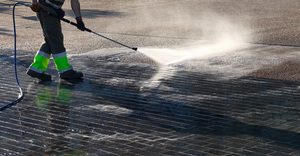
Modern pressure washing goes beyond simple water sprays. Professionals use calibrated pressure, detergents, and techniques for each surface. Concrete, wood, and metal all require different approaches. Precision ensures a clean finish without causing harm. Visit https://www.certifiedsoftwash.ca/ to learn more.

Commercial properties rely on pressure washing to maintain appearances. Sidewalks, parking lots, and facades accumulate dirt that affects business impressions. A clean exterior signals professionalism and care. Regular maintenance prevents long-term wear and tear.

Residential services have also evolved. Driveways, decks, and home exteriors respond well to professional cleaning. Homeowners gain curb appeal and protect investments. The difference between DIY and expert service is often significant.

Eco-conscious solutions are increasingly popular. Biodegradable detergents and reclaimed water minimize environmental impact. Professionals aim to clean thoroughly without introducing toxins. Sustainability is integrated into modern service practices.

Pressure washing can prevent structural damage. Moss, mildew, and algae weaken surfaces over time. Early removal avoids costly repairs and extends lifespan. Cleaning is as much preventative maintenance as it is aesthetic improvement.

Technology has transformed scheduling and service delivery. Online booking systems allow precise appointments and real-time updates. Clients receive estimates, confirmations, and reminders instantly. Convenience now matches quality results.

Specialized equipment enables versatility. Hot water, soft washing, and high-pressure systems handle unique challenges. Delicate surfaces require gentle approaches, while industrial areas need heavy-duty power. Proper equipment ensures safety and effectiveness.

Soft washing is ideal for sensitive surfaces. Roofs, siding, and painted areas benefit from low-pressure cleaning with specialized solutions. It removes biological growth without damaging materials. Professionals tailor techniques to surface type for lasting results.

Industrial cleaning requires advanced methods. Factories, warehouses, and machinery accumulate stubborn grime. High-pressure steam, chemical blends, and mechanical tools are combined strategically. Safety protocols are strictly followed during these operations.

Concrete restoration is a key service. Stains from oil, rust, or pollution are common in urban environments. Pressure washing removes contaminants and restores brightness. This enhances both aesthetics and safety by reducing slipperiness.

Deck and patio cleaning improves usability. Algae and dirt make surfaces slippery and uninviting. Professionals strip grime while preserving material integrity. Outdoor spaces become safer and more enjoyable for daily use.

Graffiti removal is another specialized application. Pressure washing combined with chemical treatments eliminates markings efficiently. Quick response prevents permanent staining. Cities and communities maintain appearance and property value.

Driveway cleaning benefits both aesthetics and safety. Accumulated oil, dirt, and tire marks create unsightly surfaces. High-pressure washing restores uniform appearance. Preventative maintenance also reduces cracking and deterioration.

Industrial equipment requires careful cleaning. Dirt and grease affect function and longevity. Pressure washing removes buildup without causing mechanical damage. Scheduled maintenance extends equipment life.

Pressure washing also addresses environmental safety. Removing mold, algae, and bacteria reduces health hazards. Homes, schools, and public areas benefit from cleaner surfaces. Professional services ensure safe chemical application and disposal.

Fleet cleaning enhances business image. Trucks, buses, and delivery vehicles collect dirt and grime that erodes paint. Regular washing maintains professional appearance and prolongs vehicle lifespan. Efficiency and consistency are key in fleet services.

Soft surface cleaning is gaining popularity. Composite decks, delicate siding, and painted surfaces need careful handling. Professionals combine detergents with gentle pressure for optimal results. This protects surfaces while achieving thorough cleanliness.

Stone and masonry surfaces demand precision. Harsh cleaning can erode mortar or damage texture. Pressure washing removes biological growth and stains while preserving structural integrity. Professionals adapt pressure and technique for each material.

Pressure washing is time-efficient compared to manual scrubbing. Large areas are cleaned in minutes rather than hours. Property maintenance becomes less labor-intensive. The speed and effectiveness justify professional engagement.

Safety protocols protect both workers and property. High-pressure streams can cause injury if mismanaged. Professionals wear protective gear and follow strict procedures. Clients benefit from hazard-free, high-quality service.

Water recycling systems are increasingly used. Captured runoff is filtered and reused, reducing waste. Environmental responsibility becomes part of the service process. Efficiency and sustainability go hand-in-hand.

Seasonal cleaning prevents long-term problems. Winter grime, spring pollen, and summer algae are tackled before damage occurs. Regular schedules maintain cleanliness year-round. Prevention reduces future repair costs.

Surface sealing often complements washing services. Once clean, treated surfaces resist stains and weathering. Protective coatings extend the results of pressure washing. Clients enjoy longer-lasting beauty and functionality.

Commercial storefronts rely on pressure washing for visibility. Clean windows, signage, and entrances attract customers. First impressions are reinforced through maintained exteriors. Cleanliness reflects brand standards and care.

Driveway and sidewalk cleaning prevent accidents. Slippery algae, moss, and mold are removed. Walkways become safer for families and visitors. Regular washing reduces liability and enhances comfort.

Outdoor furniture and recreational areas are revitalized. Patio chairs, benches, and tables are stripped of dirt and grime. Surfaces become inviting and hygienic. Social spaces regain usability quickly.

High-rise building cleaning requires advanced techniques. Water-fed poles, scaffolding, and lifts enable safe access. Pressure washing removes urban deposits and pollution. Professional management ensures both safety and results.

Parking structures accumulate grime and oil stains. Pressure washing restores appearance and reduces hazards. Concrete surfaces last longer with consistent cleaning. Efficiency supports both aesthetic and functional goals.

Public spaces benefit from community cleaning programs. Sidewalks, benches, and public art remain inviting. Pressure washing enhances visual appeal and hygiene. Communities experience improved quality of life and engagement.

Roof cleaning prevents decay and leaks. Moss, algae, and debris reduce lifespan if untreated. Professionals use low-pressure washing with appropriate solutions. Long-term savings result from preventive maintenance.

Industrial flooring is another focus area. Grease, oil, and chemical residues accumulate quickly. Pressure washing removes these efficiently. Worker safety improves with clean, slip-resistant surfaces.

Soft washing also protects landscaping. Surrounding plants and delicate surfaces are spared harsh sprays. Professionals adjust pressure and use protective measures. Gardens, flowerbeds, and greenery thrive alongside cleaning efforts.

Pressure washing extends to playgrounds and recreational equipment. Bacteria, algae, and dirt are removed safely. Children enjoy cleaner, safer spaces. Regular maintenance preserves equipment and surfaces.

Graffiti control programs combine removal and prevention. Anti-graffiti coatings reduce recurrence. Walls and surfaces remain pristine for longer periods. Community pride and safety are enhanced simultaneously.

Fleet maintenance schedules integrate washing programs. Dirt, grime, and debris are removed systematically. Vehicles retain value and appearance. Operational efficiency benefits from consistent upkeep.

Surface longevity improves with repeated washing. Removing corrosive deposits prevents long-term decay. Investment in professional services protects property assets. Proper care prolongs the life of exterior materials.

Pressure washing supports environmental compliance. Safe water disposal and responsible chemical use meet regulations. Professionals ensure all standards are followed. Clients gain peace of mind with sustainable service.

Driveways, sidewalks, and patios regain vibrancy. Grime and staining are removed effectively. Professional pressure washing restores original appearance. Homes and businesses experience immediate visual improvement.

Technology continues to enhance service delivery. Automated scheduling, client notifications, and real-time updates streamline operations. Convenience complements technical expertise. Clients benefit from efficiency and transparency.

Pressure washing transforms both appearance and property health. Surfaces are restored, hazards are removed, and aesthetics improve. Regular service protects investments and prevents costly repairs. It is a vital component of property care in modern life.

Uncategorized

Keep Your Home Protected with Professional Gutter Cleaning

gutter cleaning

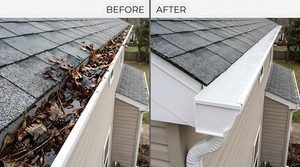
Home maintenance is essential to protect a property’s value and prevent costly damage. One of the most overlooked yet critical tasks is gutter cleaning. Gutters are designed to direct rainwater away from the roof, walls, and foundation, but when clogged with leaves, dirt, and debris, they cannot function properly. Regular gutter cleaning ensures proper drainage, prevents water damage, and keeps your home safe and secure year-round.

Why Gutter Cleaning Matters

Gutters play a vital role in protecting a home’s structure. When they are clogged, water overflows and collects around the foundation, leading to cracks, leaks, and even basement flooding. Standing water also weakens roofing materials and damages fascia boards, resulting in expensive repairs.

Clogged gutters can also create a breeding ground for pests such as mosquitoes, rodents, and insects. By keeping gutters clear, homeowners not only prevent structural issues but also maintain a cleaner and healthier environment.

Benefits of Regular Gutter Cleaning

Investing time and effort in gutter cleaning provides multiple long-term benefits, including:

1. Preventing Water Damage

Water damage is one of the most expensive problems homeowners face. Overflowing gutters allow water to seep into walls, ceilings, and basements. Regular cleaning ensures proper water flow and protects against leaks.

2. Extending Roof Lifespan

Blocked gutters trap moisture that can damage shingles and roofing materials. Clean gutters help maintain proper ventilation and drainage, extending the life of the roof.

3. Protecting Landscaping

Uncontrolled water flow from clogged gutters can erode soil, drown plants, and damage landscaping features. Keeping gutters clear helps preserve outdoor beauty.

4. Reducing Pest Infestations

Debris-filled gutters are an ideal nesting spot for pests. Regular cleaning reduces the risk of infestations that may spread into the home.

5. Increasing Property Value

A well-maintained home always retains a higher value. Clean, functional gutters contribute to curb appeal and reassure potential buyers about proper upkeep.

How Often Should Gutters Be Cleaned

The frequency of gutter cleaning depends on the climate, the number of nearby trees, and seasonal weather patterns. As a general rule, gutters should be cleaned at least twice a year—once in spring and once in fall.

Homes surrounded by trees may require more frequent cleaning to prevent leaves and twigs from accumulating. After heavy storms, it is also wise to inspect gutters for blockages.

Signs That Gutters Need Cleaning

Homeowners should watch for these common signs that indicate clogged gutters:

  • Water overflowing during rain
  • Sagging or pulling gutters
  • Visible plant growth inside gutters
  • Stains on siding or walls
  • Pools of water near the foundation

Ignoring these warning signs can lead to significant and costly damage. Regular inspections and timely cleaning prevent small issues from turning into major repairs.

DIY Gutter Cleaning Tips

Some homeowners prefer to clean their own gutters. With the right tools and safety measures, DIY gutter cleaning can be effective. Here are some tips:

  • Use a sturdy ladder and always follow safety precautions.
  • Wear gloves to protect your hands from sharp debris.
  • Remove leaves and dirt with a scoop or small shovel.
  • Rinse gutters with a hose to check water flow.
  • Inspect downspouts for clogs and flush them if necessary.

While DIY gutter cleaning saves money, it requires time, effort, and caution. For hard-to-reach roofs or heavily clogged gutters, professional services are often the safer option.

Professional Gutter Cleaning Advantages

Hiring professionals for gutter cleaning comes with significant benefits:

  • Expertise – Professionals know how to safely and effectively clean all types of gutters.
  • Equipment – Specialized tools allow for thorough cleaning and inspection.
  • Efficiency – Professionals complete the job quickly and correctly.
  • Safety – Trained workers reduce the risk of ladder accidents or injuries.
  • Preventive care – Professionals often identify early signs of damage before they become costly repairs.

For homeowners with large or multi-story houses, professional gutter cleaning is a smart investment in long-term protection.

Gutter Maintenance Beyond Cleaning

In addition to regular cleaning, proper maintenance helps keep gutters in good condition:

  • Check for leaks or holes and seal them promptly.
  • Ensure gutters are securely attached and aligned.
  • Install gutter guards to reduce debris buildup.
  • Trim nearby trees to minimize falling leaves and branches.
  • Inspect gutters after severe storms to prevent hidden damage.

By combining cleaning with routine maintenance, homeowners ensure gutters perform effectively year after year.

Seasonal Importance of Gutter Cleaning

Each season brings different challenges for gutters. In the fall, leaves and twigs are the primary culprits for blockages. Winter can add snow and ice, which weigh down gutters and cause cracks. Spring often brings heavy rains, while summer storms can deposit dirt and debris.

Understanding these seasonal challenges helps homeowners plan gutter cleaning schedules and avoid unexpected problems.

Long-Term Protection with Gutter Cleaning

Gutter cleaning may seem like a small chore, but its impact is significant. From protecting the roof to preventing foundation damage, gutters are one of the most critical systems in a home. Neglecting them can lead to costly repairs, while consistent cleaning ensures long-term protection.

Gutter cleaning is not just about maintaining appearances—it is about safeguarding a home from water damage, pests, and structural problems. Clean gutters protect the foundation, preserve the roof, and keep landscaping intact. Whether handled through DIY methods or professional services, regular gutter cleaning is an essential part of responsible homeownership.

By keeping gutters clear and functional, homeowners save money, prevent stress, and maintain a safe and beautiful property. With the right care and maintenance, gutters will continue to perform their vital role in protecting your home for years to come.

Pest Control

Common Household Pests and How to Effectively Eliminate Them

A home should be a place of comfort, safety, and peace of mind. Unfortunately, common household pests can quickly disrupt that sense of security. From insects hiding in kitchen cabinets to rodents nesting in attics, pest infestations are more than a minor inconvenience—they can cause property damage, contaminate food, and pose health risks to your family. Understanding the most common household pests and how to effectively eliminate them is essential for maintaining a clean, healthy, and pest-free living environment.

pest control

Pest problems rarely appear overnight. In most cases, infestations develop gradually due to favorable conditions such as accessible food sources, moisture buildup, or small entry points around the home. By recognizing early warning signs and applying targeted Rodent Retreat pest control strategies, homeowners can stop minor issues from becoming large-scale infestations. Effective pest elimination combines proper identification, strategic removal methods, and long-term prevention measures designed to reduce future risks.

One of the most common household pests is the ant. Ant infestations often begin when a few scouts discover food inside the home and leave a pheromone trail for the rest of the colony. Kitchens and pantries are particularly vulnerable because even small crumbs or spills can attract large numbers of ants. While store-bought sprays may eliminate visible ants, they rarely address the colony itself. Effective ant control requires locating and eliminating the source. This may involve sealing cracks around windows and doors, cleaning food preparation areas thoroughly, and using bait systems that allow workers to carry treatment back to the nest. Long-term elimination depends on disrupting the colony’s lifecycle rather than simply killing surface-level activity.

Cockroaches are another persistent household pest that can be difficult to eradicate without a structured approach. These insects thrive in warm, dark, and humid environments, often hiding behind appliances, inside cabinets, or near plumbing fixtures. Beyond being unpleasant, cockroaches are known to contaminate surfaces and trigger allergies. Successful cockroach elimination depends on removing food and water sources, sealing entry points, and applying targeted treatments in hidden areas. A comprehensive strategy typically includes deep cleaning, moisture control, and professional-grade baiting systems designed to impact the entire population rather than scattered individuals.

Rodents, including mice and rats, are among the most destructive household pests. They chew through insulation, wiring, and structural materials while contaminating stored food with droppings and urine. Because rodents reproduce rapidly, even a small presence can escalate quickly. Signs of infestation include scratching noises in walls, gnaw marks, droppings, and shredded nesting materials. Effective rodent removal begins with identifying and sealing entry points, which may be as small as a coin-sized gap. Trapping strategies should be carefully placed along walls and high-activity areas. Once removal is complete, sanitation and exclusion remain critical to prevent reinfestation. Long-term rodent control relies on eliminating access to food, water, and shelter.

Termites represent a more hidden but equally serious threat. Unlike other pests that are visibly active, termites often remain undetected while silently damaging wood structures from within. Over time, this can compromise the integrity of floors, walls, and foundations. Early warning signs may include hollow-sounding wood, mud tubes along walls, or discarded wings near windows. Because termite colonies are complex and deeply embedded, effective elimination usually requires specialized treatment methods that reach the source of infestation. Preventive measures such as reducing soil-to-wood contact, addressing moisture issues, and scheduling regular inspections significantly reduce the risk of structural damage.

Bed bugs have become increasingly common in residential environments. These small, nocturnal insects feed on human blood and hide in mattresses, furniture seams, and cracks in walls. Bed bug infestations often spread through travel or secondhand furniture. Unlike many other pests, bed bugs are not attracted to dirt or food but to warmth and carbon dioxide. Effective elimination involves a combination of thorough inspection, heat treatments or targeted applications, and careful laundering of bedding and fabrics. Because bed bugs are highly resilient, comprehensive treatment plans are necessary to ensure complete eradication.

Spiders are frequently found in homes, particularly in basements, attics, and storage areas. While most species are harmless, their presence can be unsettling. Spiders typically enter homes in search of prey, meaning that other insect activity may be attracting them. Effective spider control focuses on reducing insect populations, sealing entry points, and maintaining clean storage spaces. Removing webs and decluttering reduces hiding spots and discourages long-term settlement.

Flies are another common nuisance pest, particularly in warmer months. They are attracted to food waste, organic material, and garbage bins. Beyond being annoying, flies can carry bacteria from contaminated surfaces to food preparation areas. Eliminating fly infestations requires proper waste management, secure trash containers, and maintaining clean kitchen surfaces. Installing screens on windows and doors can prevent entry, while addressing moisture and drainage issues reduces breeding grounds outdoors.

To effectively eliminate household pests, homeowners should adopt a structured pest control strategy that addresses both immediate removal and long-term prevention. A comprehensive approach typically includes the following steps:

  1. Identify the pest species accurately to determine appropriate treatment methods.
  2. Remove attractants such as exposed food, standing water, and clutter.
  3. Seal cracks, gaps, and other structural entry points.
  4. Apply targeted treatments designed for the specific pest.
  5. Monitor for recurring activity and adjust strategies as needed.

These steps create a systematic defense that reduces the likelihood of repeated infestations. Simply reacting to visible pests without addressing underlying causes often results in temporary relief rather than permanent solutions.

Prevention remains the most effective form of pest control. Maintaining consistent cleaning habits significantly reduces food availability for insects and rodents. Regularly vacuuming floors, wiping down countertops, and storing food in airtight containers make the home less appealing to pests. Additionally, addressing plumbing leaks and controlling indoor humidity levels eliminates moisture sources that attract many insects.

Outdoor maintenance also plays a critical role in household pest elimination. Overgrown vegetation, woodpiles near foundations, and accumulated debris create shelter for rodents and insects. Keeping shrubs trimmed away from the home, maintaining proper drainage, and clearing gutters reduce opportunities for pests to enter. By strengthening the exterior barrier, homeowners minimize the chances of interior infestations.

In some cases, professional pest control services may be necessary, particularly for severe or persistent infestations. Professionals have access to advanced tools and treatment methods that are not always available to consumers. They can conduct thorough inspections, identify hidden infestations, and implement customized solutions tailored to the property’s unique vulnerabilities. While do-it-yourself methods can be effective for minor issues, large-scale infestations often require comprehensive intervention.

Long-term pest management is not a one-time effort but an ongoing process. Routine inspections help detect early signs of activity before problems escalate. Monitoring high-risk areas such as kitchens, basements, and attics allows homeowners to respond quickly. Seasonal adjustments to pest prevention strategies also improve effectiveness, as different pests become more active at certain times of the year.

Health considerations further underscore the importance of eliminating household pests. Many pests carry pathogens that can contaminate surfaces and trigger respiratory issues. Rodent droppings, cockroach allergens, and insect bites can affect indoor air quality and overall well-being. By implementing proactive pest control measures, homeowners protect not only their property but also the health of everyone inside.

Economic factors also highlight the value of effective pest elimination. Structural damage from termites or rodents can lead to costly repairs, while contaminated food and materials increase household expenses. Preventive pest control investments often cost significantly less than repairing extensive damage caused by unchecked infestations.

Ultimately, successful household pest elimination depends on awareness, consistency, and strategy. Recognizing the signs of common pests, implementing targeted removal techniques, and maintaining preventive habits create a balanced and sustainable approach. A pest-free home does not happen by chance; it is the result of deliberate action and ongoing maintenance.

By understanding the behavior of common household pests and addressing the environmental factors that attract them, homeowners can create a living space that is clean, secure, and resistant to infestation. Effective pest control is not about temporary fixes but about building long-term resilience. With the right knowledge and consistent effort, it is entirely possible to eliminate household pests and keep them from returning, ensuring comfort and peace of mind for years to come.

Electrician

The Benefits of Hiring Professional Electricians for Residential and Commercial Projects

Electricity powers nearly every aspect of modern life, from the lights in our homes to the machinery in commercial facilities. Despite its ubiquitous presence, electricity is not something that should ever be taken lightly. Mistakes in installation, maintenance, or repair can lead to dangerous hazards, costly damage, and interruptions in everyday operations. Whether a homeowner is upgrading an outdated electrical panel or a business owner is managing complex electrical systems in a commercial property, hiring a professional Electrician Jacksonville NC is essential. Skilled electricians bring expertise, experience, and safety knowledge that ensure both residential and commercial projects are completed efficiently, reliably, and in compliance with industry standards.

electrical

One of the primary advantages of hiring professional electricians is safety. Working with electricity involves inherent risks, including shocks, burns, and fire hazards. Professionals are trained to handle these risks safely, using proper tools, protective equipment, and adherence to national and local electrical codes. In residential projects, such as rewiring a home or installing new appliances, electricians ensure that all work meets current safety standards. In commercial settings, the stakes are even higher, with multiple high-voltage systems, heavy-duty equipment, and complex circuits. Licensed electricians reduce the risk of accidents, prevent property damage, and provide peace of mind to property owners.

Beyond safety, professional electricians ensure compliance with electrical codes and regulations. Electrical codes are designed to maintain safe wiring practices, proper grounding, and effective circuit distribution. Attempting to complete electrical work without proper knowledge can result in violations, failed inspections, and even legal liability. Professional electricians have in-depth knowledge of these regulations and ensure that all work, whether residential or commercial, meets required standards. This is particularly important for commercial projects where inspections, permits, and documentation are often necessary to maintain operational licensing and insurance coverage.

Efficiency and reliability are other significant benefits of hiring professionals. Skilled electricians can design, install, and repair systems that operate at peak performance. For example, they ensure that circuits are properly sized to handle the building’s load, reducing the risk of overloads and equipment malfunctions. In commercial properties, this translates to uninterrupted operations, increased productivity, and reduced downtime. In homes, it ensures that appliances, lighting, and heating or cooling systems work consistently without unexpected interruptions. Properly installed and maintained electrical systems also reduce energy waste, leading to cost savings over time.

One of the areas where professional electricians provide substantial value is in system upgrades. Residential properties often have outdated panels, inefficient wiring, or aging appliances that are no longer compatible with modern power demands. Electricians can assess the current system, recommend upgrades, and safely implement improvements. Upgrades might include installing higher-capacity panels, integrating energy-efficient lighting, or adding circuits to support new technology. In commercial settings, electricians can design systems that accommodate specialized equipment, high-energy machinery, and technology-driven operations. By upgrading electrical systems, professionals improve safety, enhance performance, and prepare properties for future growth.

Another key advantage of hiring professional electricians is their ability to troubleshoot and resolve complex problems. Electrical issues can range from flickering lights and tripped breakers to complete power outages or faulty equipment. Diagnosing these problems requires technical expertise, specialized tools, and knowledge of electrical schematics. Professionals can quickly identify the root cause of an issue, whether it’s a wiring fault, overloaded circuit, or malfunctioning device, and implement a solution that prevents recurrence. This saves property owners time, reduces the likelihood of repeated repairs, and ensures that the system functions reliably.

Preventive maintenance is an often-overlooked benefit of working with licensed electricians. Regular inspections and maintenance help detect potential hazards, worn components, and inefficiencies before they escalate into serious problems. For example, an electrician can identify loose connections, deteriorated insulation, or overloaded circuits in both residential and commercial systems. By addressing these issues early, property owners avoid costly repairs, minimize the risk of fire or equipment failure, and extend the lifespan of electrical infrastructure. Preventive care also contributes to energy efficiency, as properly maintained systems operate with less resistance and reduced energy loss.

Professional electricians also provide guidance on energy efficiency and sustainable practices. Modern electrical systems can be optimized to reduce energy consumption and lower utility costs. This includes upgrading lighting to LED, installing programmable thermostats, and integrating smart devices that monitor and manage energy use. In commercial buildings, energy-efficient installations can significantly reduce operating expenses and improve sustainability metrics, which are increasingly important for businesses seeking to demonstrate environmental responsibility. In residential settings, energy-saving measures increase comfort, reduce bills, and add long-term value to the property.

There are several specific advantages that property owners gain from hiring professional electricians:

  1. Enhanced Safety – Proper installation and repair practices reduce the risk of electrical fires, shocks, and equipment damage.
  2. Code Compliance – Ensuring all work meets local, state, and national electrical regulations to avoid legal and insurance issues.
  3. Efficiency and Reliability – Systems are designed and installed to operate consistently, reducing downtime and energy waste.
  4. Expert Troubleshooting – Quick identification and resolution of electrical problems prevent recurring issues and protect equipment.
  5. System Upgrades and Expansion – Modernizing panels, circuits, and systems to meet evolving power demands.
  6. Preventive Maintenance – Regular inspections prevent hazards, extend system life, and maintain energy efficiency.

Emergencies are another area where professional electricians make a critical difference. Power outages, short circuits, or equipment failures can occur unexpectedly and disrupt daily life or business operations. Licensed electricians offer rapid response services to restore power, repair faults, and ensure that systems are safe to operate. For commercial properties, this responsiveness is crucial, as even brief interruptions can result in lost revenue or compromised operational safety. For homeowners, timely intervention prevents potential hazards and protects valuable appliances.

Professional electricians also provide expert installation of advanced systems, such as backup generators, surge protection devices, and renewable energy solutions. These installations require specialized knowledge to ensure proper integration with existing electrical infrastructure. In commercial settings, backup power and surge protection prevent equipment damage, operational downtime, and potential financial losses. In residential environments, these solutions safeguard electronics, improve resilience against outages, and support sustainable energy initiatives such as solar power integration.

Documentation and planning are additional advantages of hiring licensed professionals. Professional electricians create detailed schematics, wiring diagrams, and maintenance records, which simplify troubleshooting, support regulatory compliance, and facilitate future upgrades. Accurate documentation ensures that any future modifications or expansions can be implemented safely and efficiently, without unnecessary guesswork or risk of error.

In conclusion, hiring professional electricians provides significant benefits for both residential and commercial projects. Their expertise ensures that electrical systems are safe, compliant, efficient, and reliable. From system design and installation to troubleshooting, maintenance, and upgrades, professional electricians deliver comprehensive solutions that protect property, enhance energy efficiency, and prevent costly disruptions.

To summarize, the key reasons to engage professional electricians include:

  1. Safety and Risk Reduction – Licensed professionals minimize hazards associated with electricity.
  2. Compliance with Codes and Standards – Ensuring all electrical work meets regulations and inspection requirements.
  3. Reliable and Efficient Operation – Systems perform consistently, and energy consumption is optimized.
  4. Expert Problem-Solving – Professional troubleshooting and repair prevent recurring issues.
  5. System Upgrades and Future-Proofing – Electrical systems are prepared to meet growing demands.
  6. Preventive Maintenance and Documentation – Long-term reliability, safety, and record-keeping support both homes and businesses.

By relying on professional electricians, property owners protect their investments, reduce energy costs, and ensure the safety of occupants and employees. Whether upgrading a residential property or managing complex commercial infrastructure, hiring skilled electricians is a critical step in creating a reliable, efficient, and future-ready electrical system.

Water Damage Restoration

Disaster Cleanup After Floods, Fires and Storms

Disaster Cleanup After Floods Fires and Storms

When flood, fire, storm or winter damage your property it is important to have it restored as quickly as possible. This helps minimize damage, saves money and reduces loss of income.

After floods swept through Montpelier, Vermont in 2024, piles of debris and sodden river mud choked downtown streets. Workers who enter affected areas should wear personal protective equipment and follow specific worksite safety guidelines. Visit Utah Disaster Cleanup to learn more.

Removing Flood Water

The first step in flood cleanup is to clear the area of standing water and soaked materials. This mucking out process must occur before walls and floors can be cleaned and restored, so it’s important to start early.

Be sure to wear proper protective equipment, such as a hard hat, dust mask or respirator, rubber boots, and goggles. If contamination from sewage or other dangerous substances is present, CDC guidelines recommend that cleaners also use a thickly applied face shield.

It is also recommended that all cleaners wash their clothes and equipment in hot, clean water after each flood cleanup session. A laundromat is a good place to do this until your onsite sewer system has been professionally inspected and serviced. If you do not have a laundromat available, wash clothes and linens in a commercial laundry with hot water and detergent. If possible, make arrangements to bring in a portable washing machine to avoid pumping out contaminated wastewater into unaffected areas.

Protect any items that escaped the water with plastic sheeting or move them to safer areas. Items made of wood, metal, or hard plastic are often salvageable. Carpets, fabrics, pressboard and plywood furniture, and other absorbent or porous materials should be discarded.

After surveying the site and donning your safety gear, you’ll be ready to begin mucking out. It’s important to keep in mind that the clock starts ticking the moment flooding waters enter a home, so return only after local authorities say it is safe.

During the muck out process, be sure to remove any electrical components that have come in contact with floodwaters. These could be energized and pose an electrocution risk, especially if they are wet or have been submerged for a long period of time.

Once all the mud, debris, and sand have been removed, you’ll need to begin assessing the damage and cleaning the affected areas. If contaminated materials such as asbestos, lead paint, or pesticides are found, you’ll need to have an environmental professional handle the removal and disposal.

If mold or mildew are found, thoroughly disinfect the space with a chemical that inhibits their growth, such as quaternary ammonium compounds or hydrogen peroxide. Thorough rinsing and drying are vital to prevent the development of unhealthy microorganisms and the release of toxic chemicals into the air.

Cleaning Up Contaminated Areas

If sewage systems are damaged by floodwaters, they can leak and contaminate homes. Floodwaters can also carry oil, gas and chemical wastes. People who contact contaminated materials are at risk of developing bacterial, viral and parasitic diseases.

The safest way to handle contamination is to wait for local officials to announce that it’s safe to return home. When they do, make sure that the power is turned off at the breaker box and that all outside gas lines are closed. Check to see if the house or structure is in danger of collapsing and listen to local TV and radio for official announcements and instructions.

If you must enter a building, wear heavy work gloves and protective clothing. Avoid walking on weakened floors and stay away from ceilings that may collapse or be covered in mold. Check for structural damage and watch out for wild animals, especially poisonous snakes that may be seeking food or shelter. Air out the home, and start cleaning and disinfecting.

Flood waters contain silt, bacteria, fecal material and other contaminants that can lead to disease. Disinfecting household items helps prevent infection, but not all contaminated items can be cleaned. Be sure to ask local health department officials for rules and regulations about bagging, labeling and disposing of contaminated goods.

Cleanup can be dangerous, so get help if you can. A disaster cleanup company knows how to safely remove debris and disinfect surfaces, and they can save you time and money by working faster. They can also save you from dangerous conditions that could harm your family or pets.

Before you begin, dispose of trash in a secure pile away from the curb, sidewalks, street, electric or water meters, fire hydrants and storm drains. If sewage was in the water, a utility knife and permanent marker will be useful for marking areas where contamination was visible. Place a line at least a foot above watermarks or drywall seams. Cut the marked sections with a utility knife and pry up the pieces with a pry bar.

Debris that’s not contaminated should be placed at the curb for pick up on a scheduled date. Contact your local authorities to learn where and when this service will be provided.

Disinfecting the Area

When sewage, chemicals and bacteria invade homes and businesses during flooding, fires or storms they leave behind contaminated debris that must be disposed of. The debris and contaminated soil must be removed as quickly as possible to prevent the spread of mold and other health threats. Disaster cleanup specialists can handle this task in a shorter amount of time than a homeowner can.

The first thing to do is to take photos or video of the damage and keep serial numbers and other documentation for insurance claims. Then, you must begin drying out the items in your home to avoid further damage. If you do not have enough time to completely dry your possessions, they should be wrapped in plastic and frozen until you can work with them.

CDC guidelines suggest wearing protective gear such as rubber gloves, goggles and a mask or respirator when cleaning up contaminated areas to avoid exposure to dangerous contaminants. Wearing a face shield is especially important when there is potential for sewage contamination.

Before you start to clean, be sure the electricity and gas are turned off to avoid electrocution. Do not touch plugged-in appliances or extension cords. If you are not certain they are unplugged, it is safest to wait until a professional checks the wiring.

After removing debris, you must wash down and disinfect any walls and floors that came in contact with flood water or sewage. Using a two-bucket method is best: one bucket for the cleaning solution and a second for rinse water. Use a non-sudsing cleaner or laundry detergent. Rinse thoroughly with clean, warm water.

Disinfecting the area can also help prevent disease from spreading. Make sure hands are washed frequently while cleaning. Smoking should be avoided because soiled fingers can carry disease germs to the mouth and nose when you pick up a cigarette or smoke a cigar.

Finally, it is best to have all clothing and articles that came in contact with flood or sewage water professionally cleaned. It is also a good idea to have an emergency kit prepared for natural disasters such as bottled water, food, blankets and flashlights.

Restoring Your Property

The restoration process after a disaster is long and complex, but it’s essential to protect your family, home and health. The right disaster cleanup and repair specialists will decontaminate, dry and disinfect your property, make necessary repairs, and remove any hazardous materials that may be present. The company should keep you informed as the work progresses and follow all local building codes and regulations to ensure that your home or business is safe and structurally sound.

If your home or business has been severely damaged by a flood, tornado, hurricane, wildfire or winter blizzard, it’s important to wait until authorities have given the All Clear before returning. In many cases, disaster damage can pose serious safety risks, including chemical spills, sewage, downed power lines, uprooted trees, weakened floors and ceilings, and electrical hazards. If you return before officials say it’s safe, be sure to wear protective clothing and have your property inspected by a professional before moving in.

When deciding to move back into your home or business, make sure you hire a reputable disaster cleanup and restoration specialist that is certified by the National Institute for Certification in Cleaning and Restoration (NICAR). This certification means the company is trained in how to assess and restore properties following major damage from natural catastrophes. In addition to being NICAR certified, a professional disaster restoration company should be insured and bonded. This means if the company goes out of business or fails to complete the work, you can claim the money that was paid to the company for unfinished work.

It’s also a good idea to keep all receipts related to your disaster recovery expenses, especially any that are not reimbursed by your insurance provider. Some disaster cleanup companies have years of experience in dealing with insurance policy claims and can help you file a claim with your insurer, ensuring that you get a fair share of compensation for your losses.

It’s also important to remember that many states and the federal government offer financial assistance to people who have been affected by natural disasters. These resources can include emergency funding to cover food, water and shelter costs, as well as grants to repair or replace homes and businesses. Check with your state’s emergency management office for information on eligibility and deadlines.