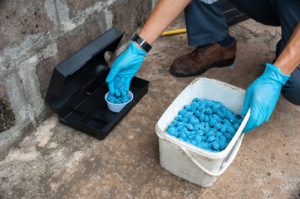
Pest control plays a critical role in protecting public health, property, and overall quality of life. Whether addressing insects, rodents, or other unwanted intruders, pest control activities must be carried out responsibly and safely. This is where pest control compliance and safety standards come into focus. These standards exist to ensure that pest management practices are effective, environmentally responsible, and safe for occupants, workers, and surrounding ecosystems. Understanding these regulations helps property owners, businesses, and service providers maintain safe environments while avoiding unnecessary risks. Find out more at https://www.benspest.biz/.
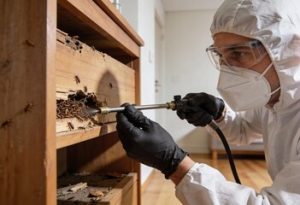
What Is Pest Control Compliance?
Pest control compliance refers to the adherence to established rules, guidelines, and best practices governing pest management activities. These standards are designed to regulate how pest control methods are applied, how products are handled, and how risks are minimized. Compliance ensures that pest control efforts meet safety expectations while delivering reliable results.
At its core, compliance is about accountability. It ensures that pest control practices protect people, pets, and structures without causing unintended harm. Proper compliance also promotes ethical practices, preventing misuse or overapplication of pest control solutions.
Why Safety Standards Matter in Pest Control
Safety standards in pest control exist to reduce potential hazards associated with pest management activities. Pest control often involves the use of substances, equipment, and techniques that require careful handling. Without proper safeguards, these activities can pose risks to human health, indoor air quality, and the environment.
Safety standards help prevent accidents, contamination, and long-term exposure risks. They also provide clear protocols for emergency situations, ensuring that any incidents are handled quickly and effectively. By following safety standards, pest control operations maintain public trust and long-term effectiveness.
Protecting Human Health Through Compliance
One of the primary goals of pest control safety standards is the protection of human health. Improper pest control practices can lead to exposure through skin contact, inhalation, or ingestion. Compliance measures ensure that pest control methods are applied in controlled amounts and appropriate locations.
Standards also focus on protecting vulnerable populations, such as children, elderly individuals, and those with sensitivities. Clear guidelines for application timing, ventilation, and reentry help reduce health risks and ensure safe living or working conditions.
Environmental Responsibility in Pest Control
Environmental protection is a key component of pest control compliance. Safety standards promote responsible use of pest control methods to prevent soil, water, and air contamination. Overuse or improper disposal can disrupt ecosystems and harm beneficial organisms.
Compliance encourages the adoption of targeted approaches that focus on the specific pest problem rather than broad applications. This reduces environmental impact while maintaining effective control. Sustainable pest management practices are increasingly emphasized as part of modern safety standards.
The Role of Integrated Pest Management
Integrated pest management is a widely recognized framework that aligns closely with compliance and safety standards. This approach emphasizes prevention, monitoring, and targeted control methods rather than reliance on reactive treatments.
By identifying pest activity early and addressing contributing factors such as sanitation and structural issues, integrated pest management reduces the need for aggressive interventions. This approach supports compliance goals by prioritizing safety, efficiency, and long-term prevention.
Training and Certification Requirements
Training is a foundational element of pest control compliance. Safety standards typically require individuals performing pest control tasks to have proper education and ongoing training. This ensures they understand correct application techniques, safety protocols, and emergency procedures.
Well-trained professionals are better equipped to assess risks, choose appropriate methods, and apply treatments safely. Continuous learning also helps keep pest control practices aligned with evolving standards and technological advancements.
Safe Handling and Storage Practices
Proper handling and storage of pest control materials are essential for maintaining safety. Compliance standards outline specific requirements for labeling, storage conditions, and transport. These measures help prevent accidental exposure, spills, and misuse.
Safe storage practices protect occupants and workers while preserving the effectiveness of pest control materials. Clear labeling ensures that products are used as intended and not confused with household items or other substances.
Application Guidelines and Risk Reduction
Safety standards provide clear guidelines for how and where pest control methods should be applied. These guidelines help minimize exposure and prevent contamination of food preparation areas, water sources, and living spaces.
Risk reduction strategies include using the lowest effective amount, applying treatments during low-occupancy periods, and ensuring proper ventilation. These measures help maintain a balance between effective pest control and occupant safety.
Compliance in Residential Settings
In residential environments, pest control compliance focuses on protecting families, pets, and property. Safety standards emphasize clear communication, proper preparation, and post-treatment precautions. Homeowners benefit from understanding these standards to ensure treatments are conducted responsibly.
Compliance also involves educating residents about preventive measures. Reducing clutter, managing moisture, and sealing entry points support pest control efforts while minimizing the need for repeated treatments.
Compliance in Commercial and Shared Spaces
Commercial properties and shared spaces require heightened attention to pest control compliance due to higher occupancy levels and diverse usage. Safety standards help ensure that pest control activities do not disrupt operations or pose risks to occupants.
In these environments, documentation and monitoring play a significant role. Clear records of inspections, treatments, and follow-up actions demonstrate compliance and support ongoing safety efforts.
Documentation and Record-Keeping
Accurate documentation is an essential component of pest control compliance. Safety standards often require records detailing inspections, identified pest activity, applied methods, and outcomes. These records provide transparency and accountability.
Documentation helps track recurring issues, evaluate effectiveness, and identify areas for improvement. It also supports informed decision-making and continuous compliance with safety expectations.
Emergency Preparedness and Response
Safety standards include protocols for handling emergencies such as accidental exposure, spills, or unexpected reactions. These protocols ensure that incidents are managed quickly to minimize harm.
Emergency preparedness involves clear communication, access to protective equipment, and established response procedures. Compliance with these standards helps maintain safety even in unforeseen situations.
Reducing Liability Through Compliance
Adhering to pest control safety standards helps reduce liability risks for property owners and service providers. Compliance demonstrates a commitment to responsible practices and due diligence. In the event of concerns or disputes, documented compliance provides a clear record of appropriate action.
Reducing liability also supports long-term operational stability. Safe and compliant pest control practices protect reputations and foster trust among occupants and stakeholders.
The Role of Inspections and Monitoring
Regular inspections and monitoring are essential for maintaining compliance. Safety standards encourage routine assessments to identify pest activity early and evaluate existing control measures. Early detection reduces the need for intensive interventions.
Ongoing monitoring ensures that pest control strategies remain effective and aligned with safety guidelines. It also supports proactive adjustments as conditions change.
Balancing Effectiveness and Safety
Effective pest control does not require compromising safety. Compliance standards are designed to balance results with responsible practices. By focusing on targeted methods, prevention, and education, pest control efforts achieve lasting outcomes without unnecessary risks.
This balanced approach supports healthier indoor environments and reduces long-term costs associated with repeated infestations or damage.
The Importance of Public Awareness
Public awareness plays a key role in pest control compliance. When property owners and occupants understand safety standards, they are better prepared to support compliant practices. Awareness encourages cooperation and shared responsibility.
Educated occupants are more likely to follow preparation and post-treatment guidelines, improving overall effectiveness and safety.
Evolving Standards in Pest Control
Pest control safety standards continue to evolve as new research, technologies, and environmental considerations emerge. Compliance requires staying informed and adapting practices accordingly. This evolution reflects a growing emphasis on sustainability and reduced risk.
Adapting to updated standards ensures that pest control remains effective, safe, and aligned with modern expectations.
Long-Term Benefits of Compliance
Compliance with pest control safety standards delivers long-term benefits for health, property, and peace of mind. Safe practices reduce exposure risks, prevent damage, and support sustainable pest management strategies.
Consistent compliance also improves efficiency, as preventive measures reduce the likelihood of severe infestations. Over time, this proactive approach leads to better outcomes and fewer disruptions.
Pest control compliance and safety standards exist to protect people, property, and the environment. They provide a structured framework for managing pests responsibly while minimizing risks. Understanding these standards empowers property owners and occupants to make informed decisions and support safe pest control practices.
By prioritizing compliance, pest control efforts become more effective, sustainable, and trustworthy. A commitment to safety and responsible management ensures long-term protection and healthier living and working environments.